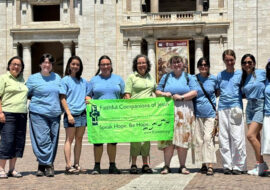



Sr Beatrice fcJ lives in Salford and is a member of the Care of our Common Home group of the FCJ Area of Europe. She often visits the Laudato Si‘ Centre of the Diocese of Salford and enjoys its very special honey, which has FCJ roots.
Did you know that the Worker Bee is the emblem of Greater Manchester? The symbol is to be seen throughout the whole of Greater Manchester area but especially on our Yellow Bee Line buses, when the bus fares were first established by our good mayor at only £2 a trip, in order to reduce pollution of vehicles in the inner city and to enable all fare paying passengers to afford their essential journeys. After the awful deaths by the Bombing of the Arena, many Manchester folk had a Worker Bee Tattooed on their bodies, as a gesture of sympathy.
When Laudato Si‘ was published, ten years ago, Bishop John Arnold was the lead bishop for England and Wales hierarchy of CAFOD, the Catholic Agency For Overseas Development. He lived at Wardley Hall, a Tudor Manor House, gifted to the Bishops of Salford and the where the relic of St Ambrose Barlow is venerated.
Bishop John, wanting to live simply, opened up Wardley Hall for the use of the diocese and at the same time liaised with the then leader of CAFOD for Salford Diocese, to begin the development of a children’s educational centre in the Wardley Gardens. The Papal Nuncio was invited to bless the Gardens and processed through the woods, sprinkling holy water, to concelebrate Mass in the small chapel near St. Mary’s Cemetery. The local Infants School Year 2 sang the hymns at the Mass and the Year 7 from St. Ambrose Barlow Secondary School students, read the prayers of intercession. Dear Sister Loretta fcJ, R.I.P. and I attended that Mass.
The Laudato Si‘ Centre has grown from strength to strength and now with a classroom, green houses, polytunnel, raised beds, woodlands, trees, birds, creatures and bees. In 2025 alone over 7,000 students visited the Gardens. Each tree in the woodlands was certified for safety. Eco bricks, 2 litre plastic milk cartons were stuffed tightly with soft plastics. Railway sleepers were used for benches and raised beds for planting, at the height of primary children. Here they planted vegetables of every kind and flowers too were grown.
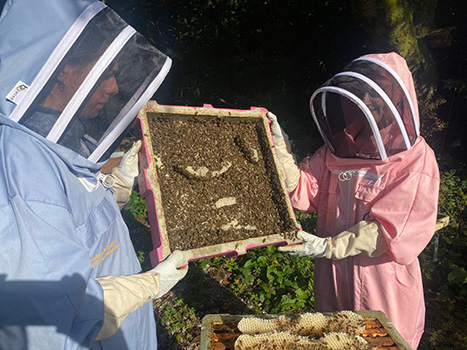
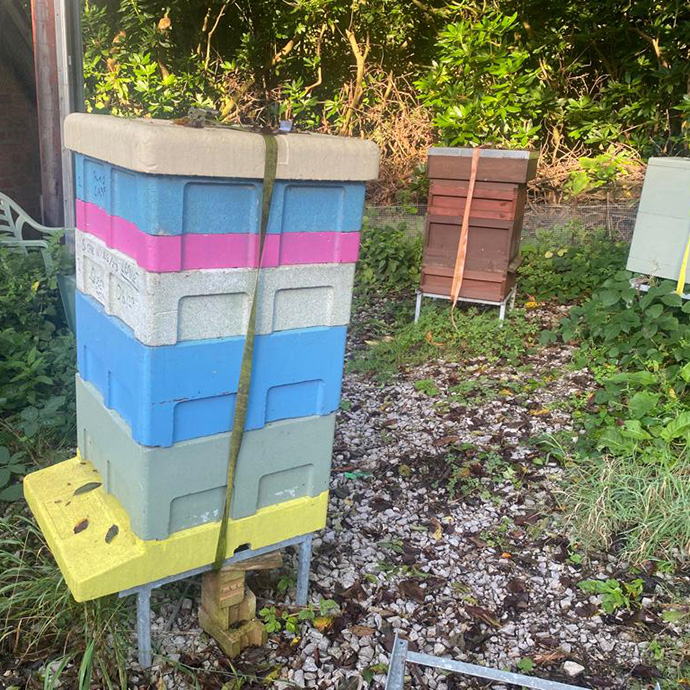
Next the bee hives were set up in a protected area and our FCJ sisters donated one of the three bee hives. Since then the hives have been relocated to the Orchard planted by the children, at the far side of the Laudato Si‘ gardens in the wild flower area. The Diocese funds the annual Insurance, and the project funds the annual licence. The enthusiastic bee keeper is a priest who lives at the Hall. In the U.K. 2025 the honey yield was poor throughout the country due to the heat. We at Wardley did better than most and had honey reserves from 2024, an abundant yield year. Honey is available from the Hall for £8 a jar. See the label of the Tudor Hall on the jars.
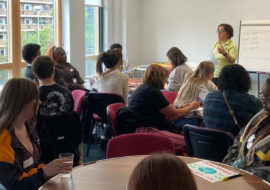
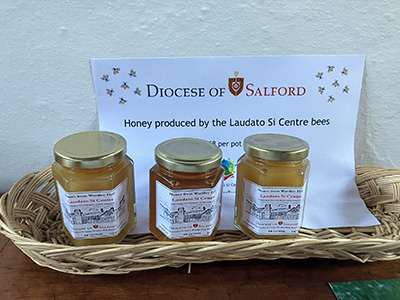 Over the years I have been involved in the purchase of over twenty jars of Laudato Si‘ honey. I have attended a beautiful Way of the Cross through the woods, outdoor Mass at the woodland gathering point and a retreat session for adults in the Classroom and outdoors organised by CAFOD. My last visit was celebrating Jubilee of Hope 2025 using the Pilgrims of Hope Reflection Guide by CAFOD.
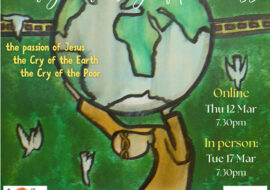
The encyclical letter, Laudato Si‘, is devoted to care for our common home. It has had an extraordinary impact, inspiring countless initiatives and teaching everyone to listen to the twofold cry of the Earth and of the poor. I greet and encourage all those who carry on this commitment.
Pope Leo XIV, 25th May 2025