








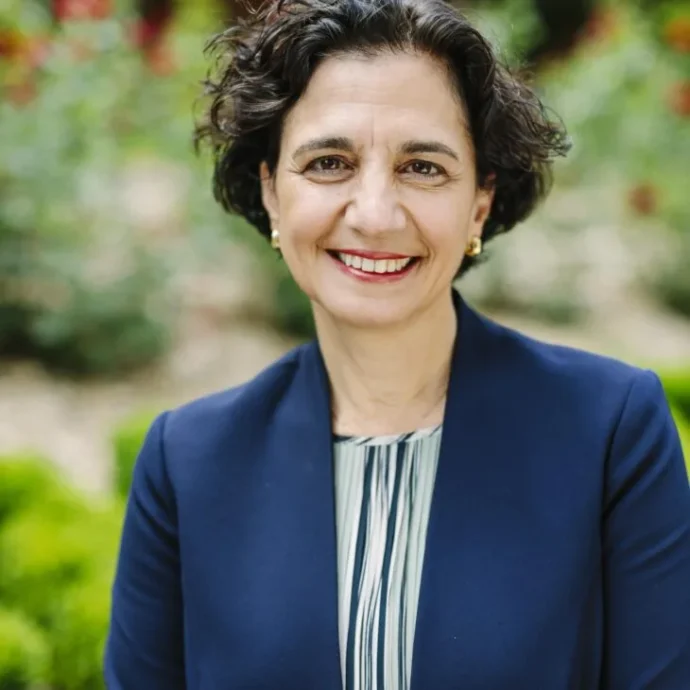
A reflection by Mrs Loretta Wholley, Principal of Genazzano FCJ College.
Dear Parents, Staff and Students
As we reach the midpoint of Term 3, I find myself returning again to our College theme for 2026: Lead with Dignity, Act with Gentleness.
At the beginning of the year, I spoke about dignity as something inherent in every human person. It is not earned through achievement, status, popularity or success. It belongs to each of us because we are created in the image and likeness of God. Gentleness is how we choose to honour that dignity in one another. It is not weakness or passivity. It requires us to notice, to listen, to speak up and, at times, to have the courage to stand up against the behaviour of others.
Recent media reports have confronted us yet again with several deeply disturbing stories of sexual assault and violence against women, including serious allegations from AFL footballers and school aged boys. At the same time, Australia continues to grapple with the devastating prevalence of domestic and family violence. These stories must cause all of us to ask: What are we teaching our young people about the dignity of another human being? I am proud of the way we tackle these issues through our Religious Education programs and through GenSTAR across all year levels, at the appropriate age and stage of development.
What are we teaching our young people about the dignity of another human being?
Just last year, I was invited to speak at a Father and Son evening at Xavier College about what young women wanted young men to understand. In preparation, I spoke with our Year 10–12 students at recess and lunchtime and asked what they wanted young men their own age to know. Their first message was strikingly simple: “Tell them about safety.”
They spoke about the reality that girls learn very early to move through the world differently: to be alert, to notice who is walking behind them, to think about where they park, or how they will get home.
Their message to dads and their male friends and peers was: “Use your strength to create safety, not fear.”
They also spoke about respect: not being talked over, diminished, objectified or reduced to their appearance. Importantly, they asked young men to have the courage to challenge one another: to refuse to laugh at the joke at the expense of women or any other group, but to call out the comment and speak up when something is wrong. Because silence can look very much like agreement.
These conversations matter deeply. We are educating young women to recognise their own worth and to know that respect, consent and safety are fundamental expressions of their human dignity. Equally, we are forming them to recognise the dignity of others.
This same understanding of the human person sits at the heart of another significant piece of work underway at Genazzano: our response to Artificial Intelligence.
Following the GenConversations and work undertaken during my Enrichment Leave, we have commenced developing a whole-school framework for the responsible use of AI in teaching and learning. Its working title captures our starting point: Human at the Centre, Learner at the Heart.
AI presents extraordinary possibilities for education and will undoubtedly change how our students learn, our teachers teach and all of us work. Our responsibility is to prepare our girls to use AI confidently, critically, creatively and ethically, while protecting what matters: deep thinking, human relationships, wellbeing, privacy and our Catholic mission.
Education is profoundly human. Genazzano is a place of relationships, belonging and encounter. It is here that our girls learn to disagree respectfully, recover from mistakes, receive feedback, practice wisdom, marvel at wonder and become thoughtful interpreters of the information in the world around them. These things cannot be outsourced to technology.
Our emerging framework therefore positions AI as something that can amplify human thinking and teacher discernment, but never replace them. It is deliberately developmental. It will proceed through a leadership review and structured consultation with staff and students. The framework reflects something important about Genazzano: we do not want technology to determine our educational philosophy. Our educational philosophy must determine how we use technology.
And that brings me to the third piece of work I want to highlight – Our Gen Learner Language. You may recognise it from the Student Learning Journey (available on your parent page to view).
With courage and confidence, Gen Learners strive for personal excellence, embrace innovation, collaborate with others, reflect deeply, and think ethically.
We want our students to become Innovative, Collaborative, Reflective and Ethical learners […]. These are not simply four attractive words on classroom posters. They describe the learner and ultimately the person we seek to form: curious and creative; able to work with others and build communities where people belong; willing to pause, question and grow; and able to think carefully, choose wisely, speak honestly and stand for justice.
For me, this is where the three threads of my reflection come together. In a world confronting violence against women and the diminishment of human dignity, being transformed in so many ways by AI and focused solely on promotion of self we need faithful, courageous and confident Gen Girls to make a positive difference in the world.
Mrs Loretta Wholley
Principal
Lead with Dignity Act with Gentleness
This reflection is reproduced here with permission. Photo credit: Genazzano website